

Our Working Principles
Every project follows four principles designed to remove uncertainty and support confident decisions.
1. Clear Expectations
Confidence begins with clarity.
Before fabrication, we align on:
The purpose of the model
Required level of detail
Scale, materials, and finishes
What the model will—and will not—communicate
We define scope carefully and avoid unnecessary complexity.
This ensures the model supports decision-making rather than introducing new questions.
2. A Reliable Process
Decision-makers need predictability.
Our process is structured and repeatable, providing visibility at every stage:
File and scope review
Scale and material confirmation
Production planning
Quality control and assembly
Secure packaging and delivery
Clients know what to expect, when input is needed, and when outcomes will be delivered.
3. Professional Representation
A model represents more than a project—it represents the team behind it.
We build models that feel:
Accurate
Intentional
Appropriate to their context
Whether displayed in a sales gallery, used on set, or reviewed internally, each model reflects professional judgment and design discipline, not excess.
4. Lasting Usefulness
A successful model continues to perform after delivery.
Our models are designed to:
Support discussion and explanation
Photograph and film cleanly
Withstand transport and handling
Remain relevant beyond a single meeting
Satisfaction comes from knowing the model did its job—by helping teams decide, align, and move forward.
About Carve
Physical Models for Confident Decisions
Carve Model creates physical models that help teams see clearly, decide faster, and move forward with confidence.
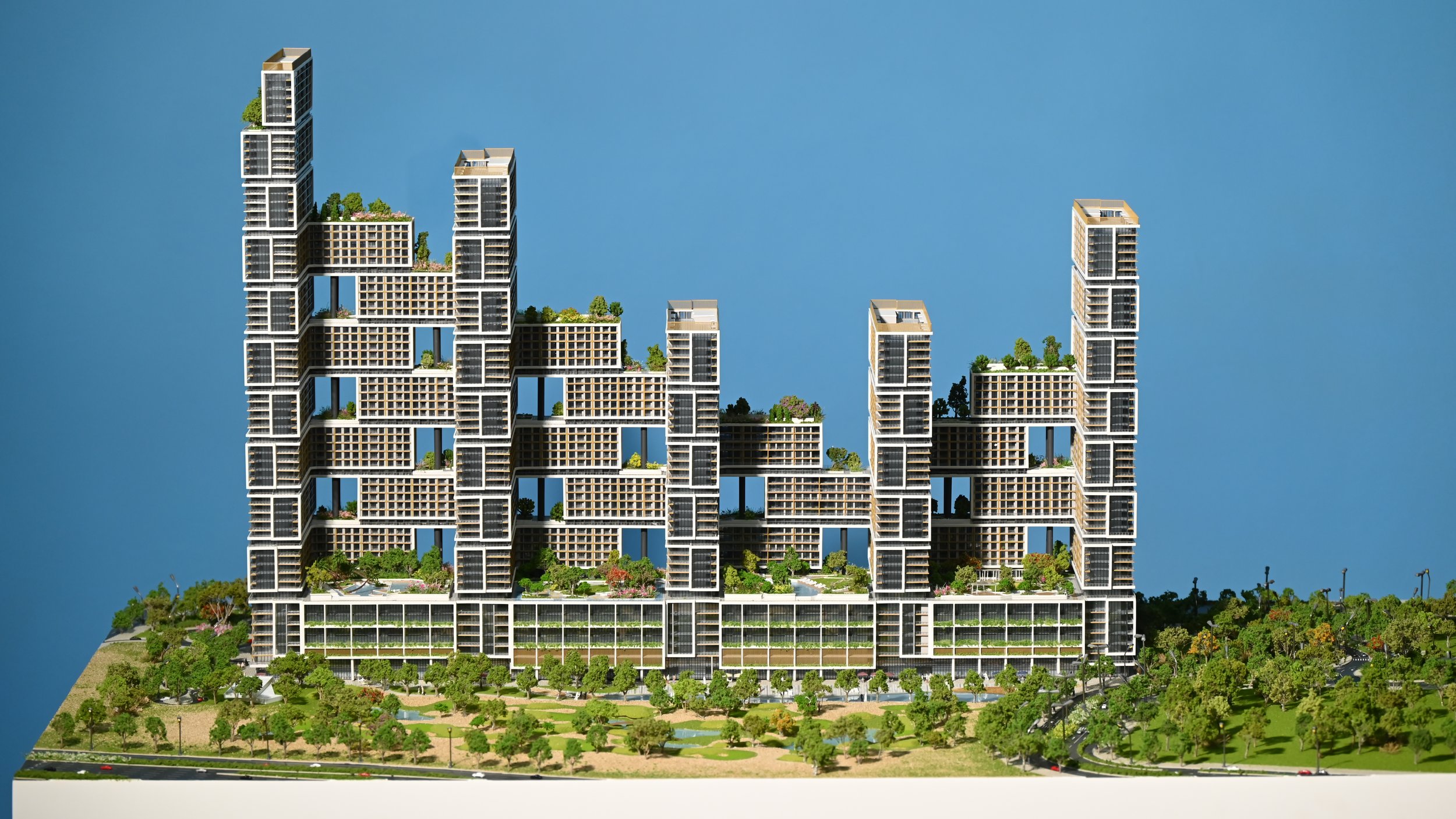
We specialize in architectural scale models, film and commercial miniatures, and product prototypes—built for moments where clarity matters: approvals, presentations, filming, and internal decision-making.
Our clients include architects, developers, production designers, agencies, and product teams across the United States and Canada who rely on physical models not as decoration, but as tools for alignment and action.
Why Physical Models Still Matter
Digital tools are powerful—but important decisions are still made around tables, in rooms, and in real space.
A well-built physical model:
Reveals scale and proportion instantly
Reduces misinterpretation across teams
Anchors discussion and decision-making
Communicates intent without explanation
At Carve Model, we focus on what a model needs to clarify, not what it needs to impress.

Who We Work With
Carve Model partners with:
Architectural firms
Real estate developers
Film, commercial, and advertising teams
Product and industrial designers
Across sectors, the requirement is the same: clarity at critical moments
What We Make
Architectural scale models for planning, sales, and exhibition
Film and commercial miniatures for pre-visualization and production
Product and industrial prototypes for form and presentation studies
Every model is tailored to its purpose—nothing more, nothing less.

If you are considering a physical model, the right first step is understanding what decision it needs to support.
Share what you have—drawings, renderings, or 3D files—and we will help define:
Feasibility
Scope
Appropriate level of detail